
石榴籽·同心圆 | 拉祜族:携手向前,走幸福之路
来源:中国网 发布时间:2026-09-22

编者按:2026年9月21日至27日,是《中华人民共和国民族团结进步促进法》正式施行后的首个民族团结进步宣传周。有这样一个古老民族,经过漫长的迁徙之路,今天与各族群众手足相亲、守望相助,像石榴籽一样紧紧抱在一起,同心浇灌着民族团结进步的“幸福花”。
Editor's Note: September 21‑27 marks the first publicity week for ethnic unity and progress since China's Ethnic Unity and Progress Promotion Law came into force. The Lahu, an ancient ethnic group, has weathered long‑distance migrations throughout history. Today, its people live in kinship and mutual support with compatriots of all other ethnic groups, bound closely together like pomegranate seeds. Side by side, they nurture the "blossom of happiness" of ethnic unity and shared progress.
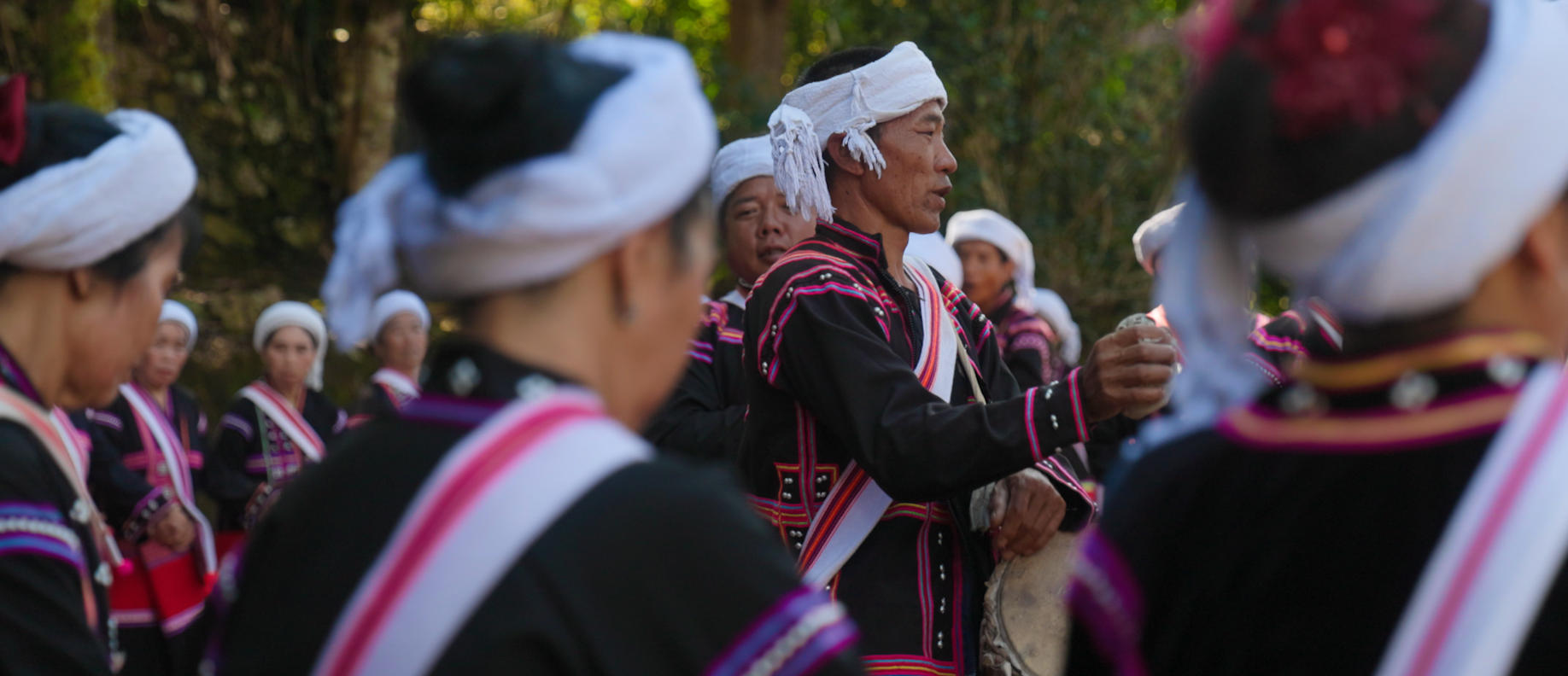
拉祜族,中国古老的民族之一。拉祜族先民早期生活在西北高原地区,过着游牧生活。经过漫长的迁徙进入云南后,广泛分布在澜沧江两岸等地。
The Lahu people are one of China's ancient ethnic groups. Their ancestors originally led a nomadic life on the northwest plateau. After lengthy migrations into southwest China's Yunnan, they settled widely along both banks of the Lancang River and surrounding areas.
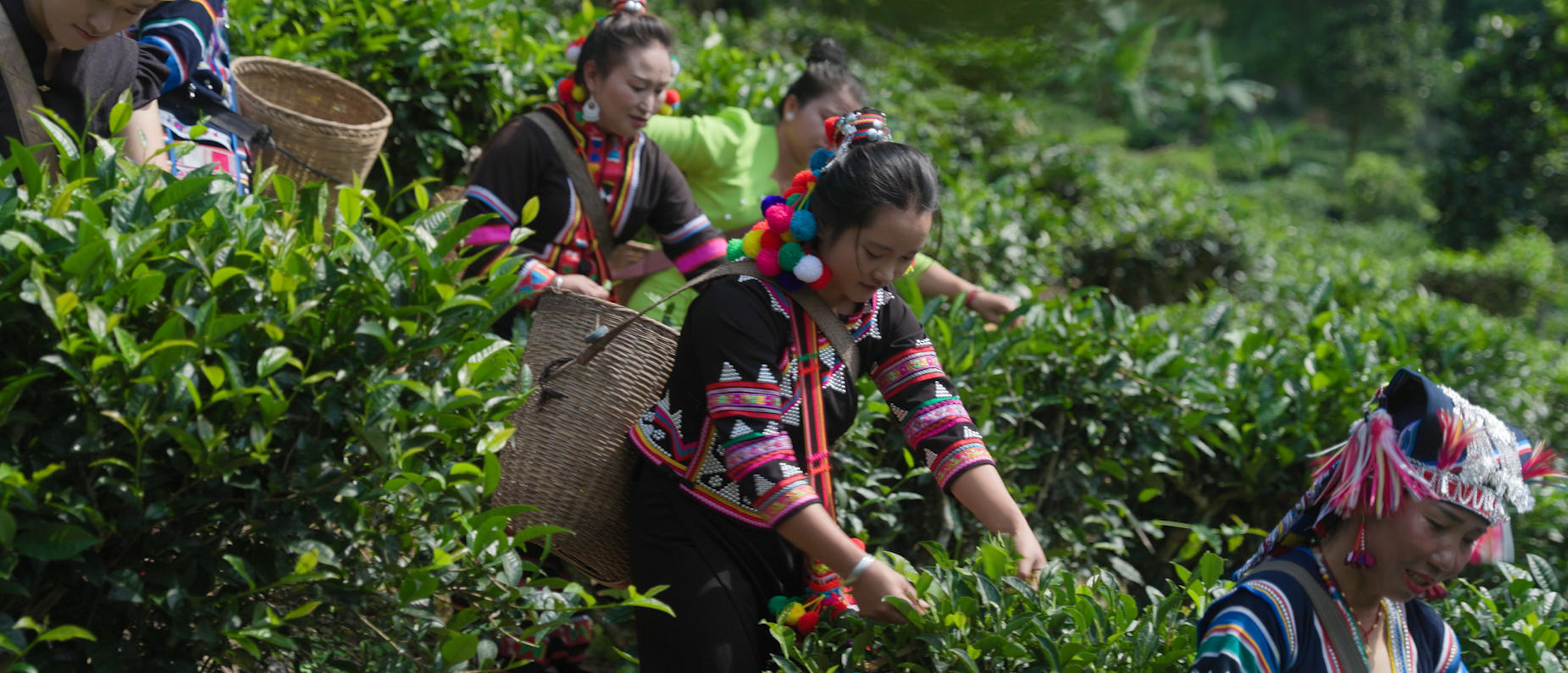
九月下旬,正是秋茶采摘的季节。老达保寨茶山上,各族妇女们的歌声和欢笑声显得格外悦耳。
Late September marks the autumn‑tea‑picking season. On the tea hills in Laodabao Village Group, songs and laughter from women of various ethnic groups ring out brightly.
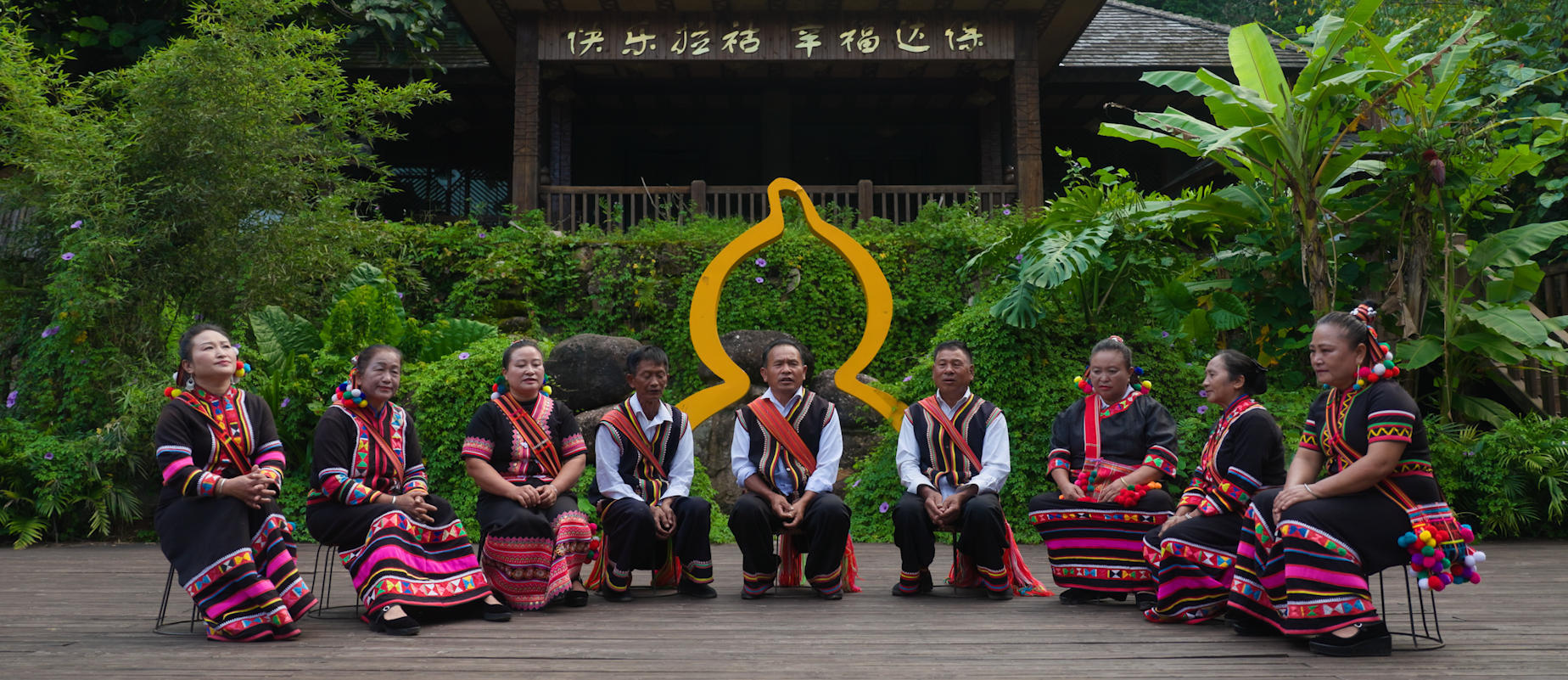
老达保寨是一个拉祜族传统村落,是民族史诗《牡帕密帕》《根古》、拉祜族葫芦笙的保护传承基地。
Laodabao is a traditional Lahu village and an inheritance base for the Lahu national epics Mupamipa and Gengu, as well as for the Lahu gourd‑sheng dance.
拉祜语中,“拉”是老虎的意思。新中国成立后,拉祜一词有了新的含义——拉起手来,走幸福之路。
In the Lahu language, "La" means tiger. After the founding of the People's Republic of China, the term "Lahu" took on a new connotation — joining hands to walk toward a happy life.
岩因村山路蜿蜒,村民以拉祜族、哈尼族和傣族为主,青壮年大多外出务工,留守老人、儿童需要格外看顾。
Winding mountain roads run through Yanyin Village. Its residents are mainly Lahu, Hani and Dai peoples. Most working‑age adults have left for jobs in cities, leaving behind large numbers of elderly residents and children who need special care.
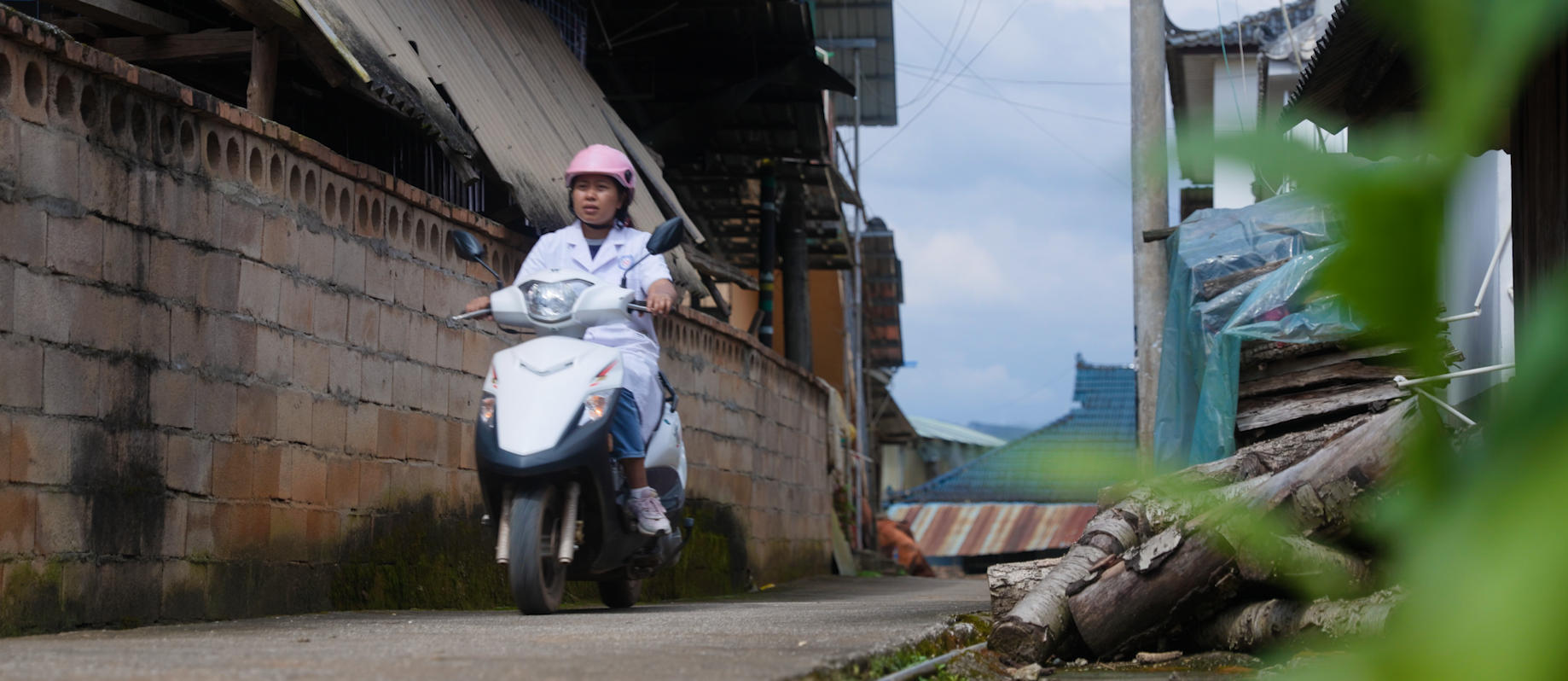
午后,哈尼族女孩钟丽萍骑上摩托车从卫生室出发,这趟她去的是两户拉祜族人家。
One afternoon, Zhong Liping, a Hani‑ethnic village doctor, sets off from the village health clinic on her motorbike to visit two Lahu‑ethnic households.
语言不通,成为她诊疗路上的一道鸿沟。钟丽萍自学拉祜语、傣语,现在她能够熟练沟通,拉家常。
Language barriers once created obstacles for her medical work. Zhong taught herself the Lahu and Dai languages. She can now communicate fluently and chat casually with local residents.
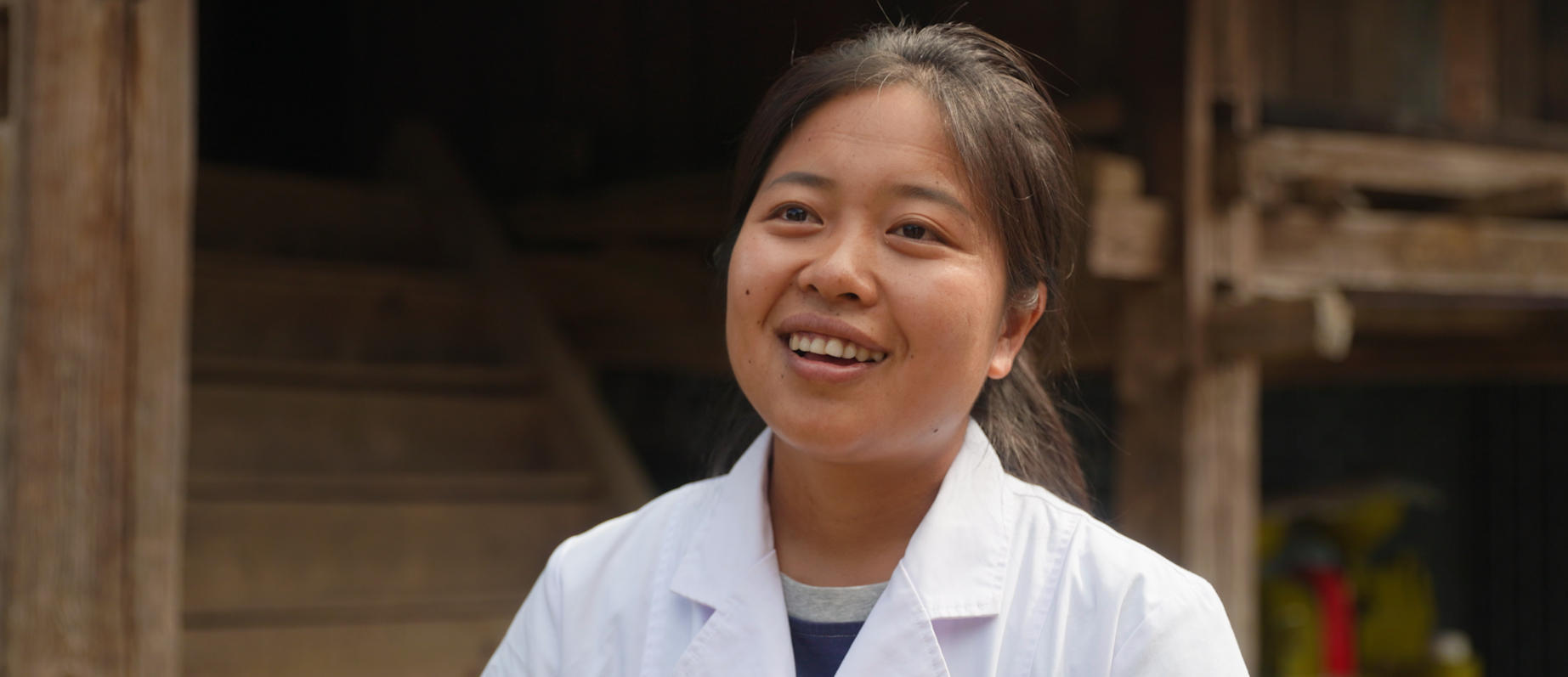
钟丽萍:“我为什么可以坚持9年?每天醒来,就看到卫生室门口等着几个病人,需要你去给他们减轻病痛。每天看到这些的时候,自己就舍不得走了,就会想着,要怎么样去到外面,把更多的东西、知识学回来,在家门口,就把一些疾病给他们解决,减轻他们的负担嘛。”
Zhong Liping: "What keeps me going for nine years? Every morning when I wake up, I see patients waiting outside the clinic who need relief from their illnesses. Seeing that every day makes me unwilling to leave. I keep thinking I should go out to learn more knowledge and skills, so I can treat their illnesses right here at home and ease their burdens."
9年时光,钟丽萍已经成长为乡亲们信赖的“主心骨”,是扎根大山里最美的“团结之花”。
Over nine years, Zhong has become a trusted mainstay among villagers, a vivid "blossom of ethnic unity" rooted deep in the mountains.
钟丽萍:“未来还会有第二个、第三个9年吧!”
Zhong Liping: “There will be a second nine‑year period, and a third one ahead for me!”
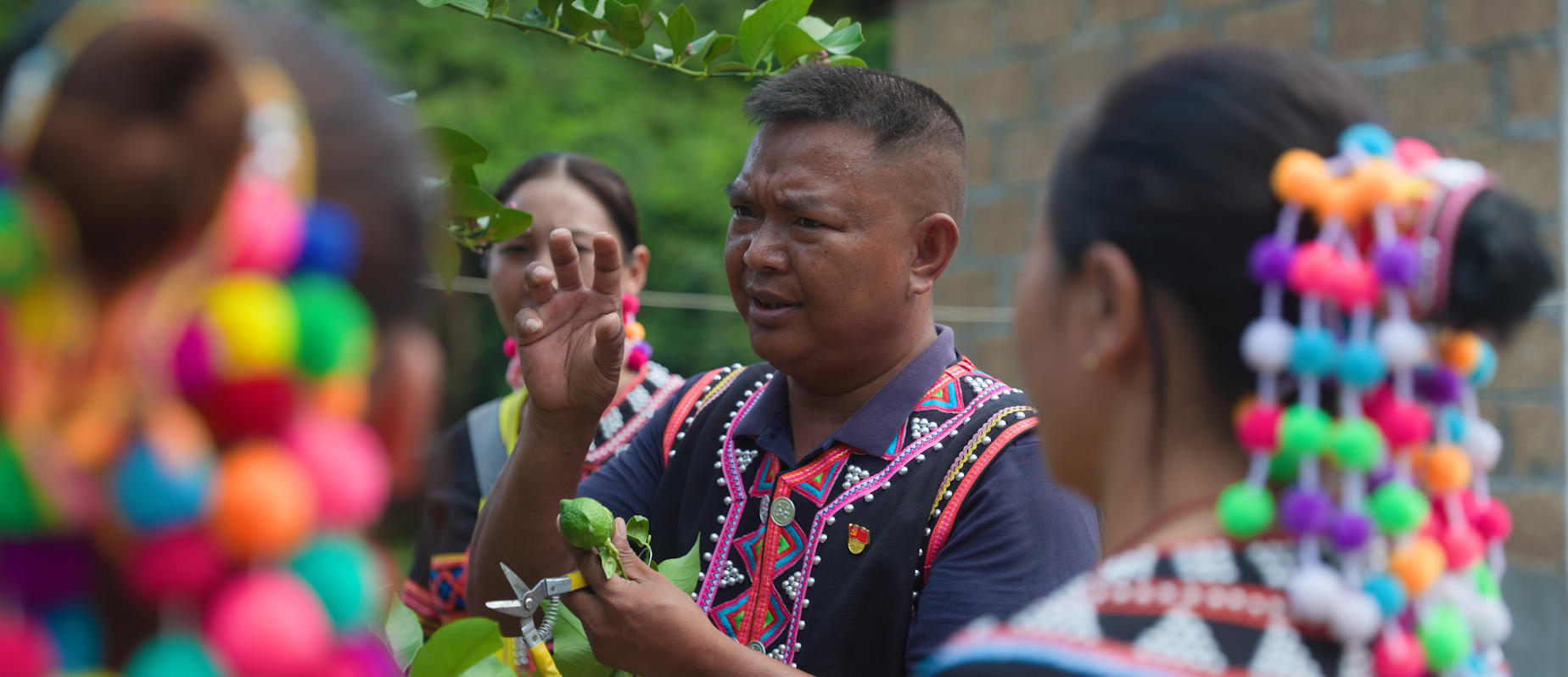
糯福乡致富带头人彭贵荣拿着剪刀,正在为种植户们讲解柠檬采摘知识。金黄的柠檬从枝头被剪下,拿在手中分量十足。
Peng Guirong, a local pioneer in boosting income in Nuofu Township, holds pruning shears and explains lemon‑harvesting techniques to growers. Golden‑yellow lemons are snipped from branches, heavy in people's hands.
彭贵荣:“出去考察以后,我们试种了8个品种,包括芒果、莲雾、火龙果,柠檬是其中一个。试种的情况看,柠檬在我们这边表现得相当好。去年的话,市场价比较好,产值达到了1.2亿,也是我们整个传统产业当中占比比较高的一个产业了。”
Peng Guirong: "After field study trips outside our hometown, we trial‑planted eight crop varieties including mango, wax‑apple and pitaya, and lemon was one of them. Trials showed lemon grows exceptionally well here. Last year market prices were favorable, bringing an output value of 120 million yuan. It has become one of our highest‑value traditional industries."
彭贵荣早年退役后,回到家乡投身于乡村综治维稳工作,组建守边队伍,调解矛盾纠纷。
After completing his military service years ago, Peng returned home to work on rural governance and stability maintenance. He set up border‑patrol teams and mediated local disputes.
彭贵荣:“当时我觉得,我还是要回到地方上,生我养我的故土来发展。所以96年退役后,我就回到了糯福乡政府工作。”
Peng Guirong: "I believed I ought to come back and develop my native land. So after my discharge in 1996, I took a job with the Nuofu Township government."
他深知家乡没有增收渠道,一心想着为群众找一条致富路。
Knowing local residents lacked reliable income sources, he dedicated himself to finding pathways for villagers to grow wealth.
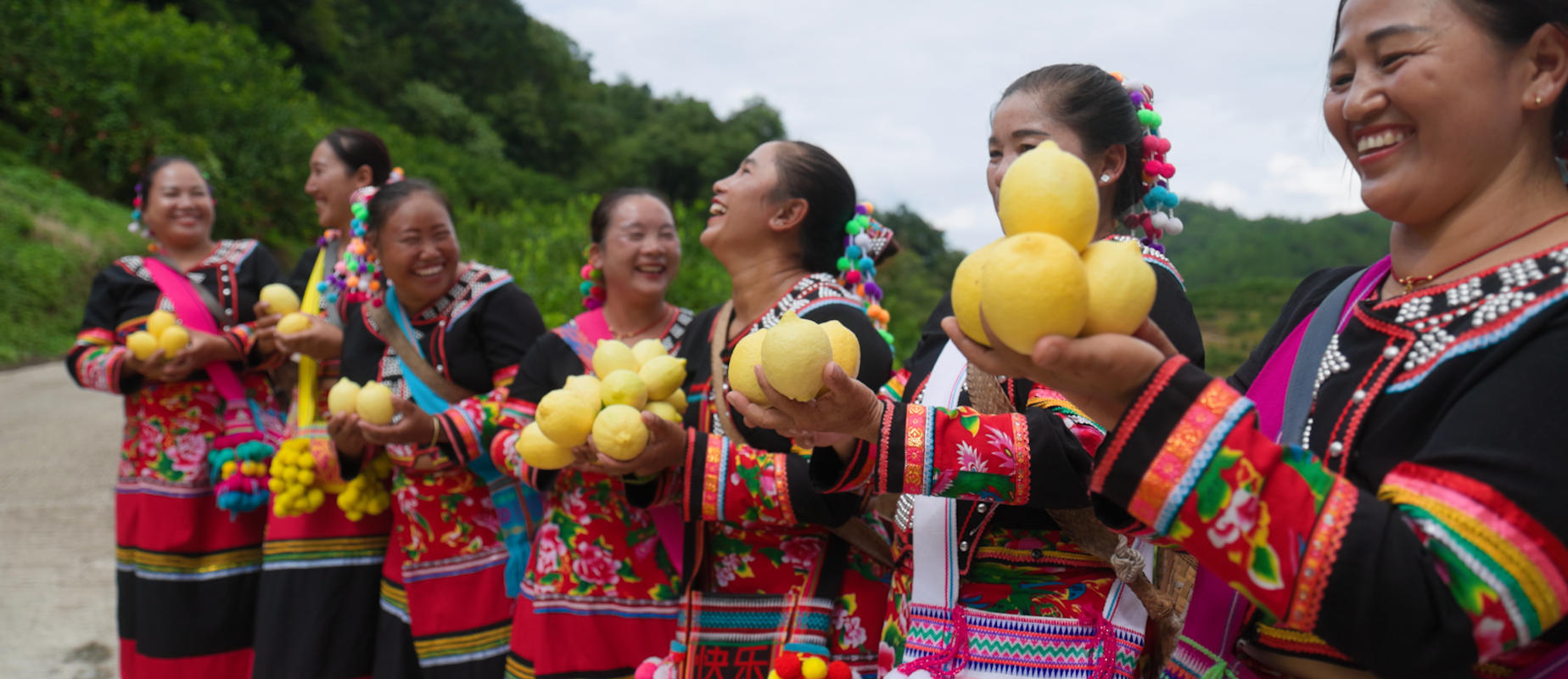
如今,相较于传统的茶叶、稻谷、玉米种植,柠檬已经成为带动糯福乡边境发展的特色产业。
Today, lemon cultivation, compared with traditional tea, rice and corn farming, has grown into a signature industry boosting development in this border township of Nuofu.
彭贵荣:“顶了很大的压力。但是我信心很足,在柠檬产业上。因为整个云南省我都跑遍了,整个云南省种植好的基地我都跑遍了,所以说我对(种植)柠檬是很有信心的。”
Peng Guirong: "I faced huge pressure back then, yet I had full confidence in the lemon industry. I travelled across Yunnan and visited every well‑run lemon base in the province. I truly believed lemon would work for us."
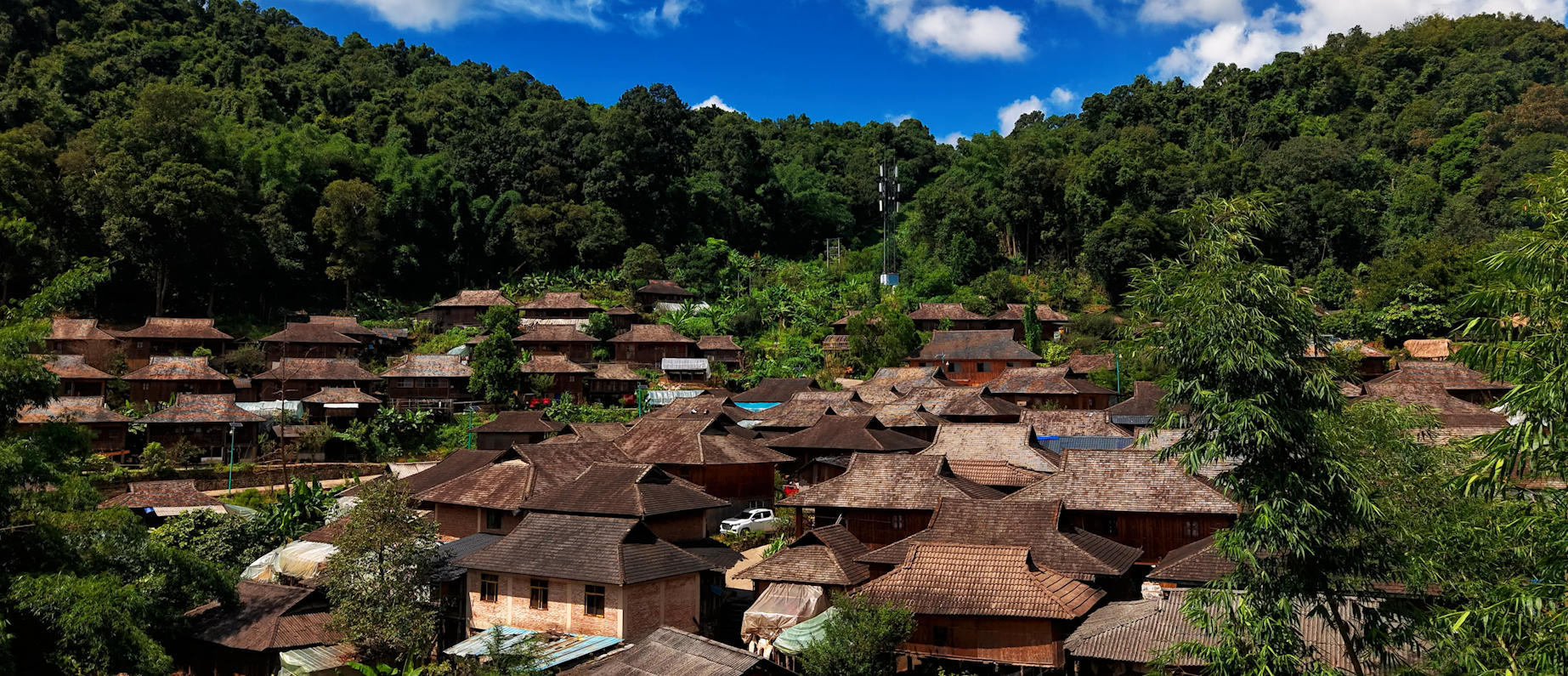
地处中缅边境的龙竹棚老寨,这里保留着拉祜族神鼓舞、摆舞和葫芦笙舞等拉祜族传统舞蹈。
Longzhupeng Old Village Group sits right on the China‑Myanmar border. It preserves traditional Lahu dances including the sacred‑drum dance, swing‑arm dance and gourd‑sheng dance.
李家保翻开自己手绘的绘本,上面详细记录了这支拉祜族数百年来的变迁史。作为拉祜族文化的传承人,他深感责任重大。
Li Jiabao flips through hand‑drawn picture books that record in detail centuries‑long changes of the Lahu people. As a cultural inheritor, he feels a heavy sense of responsibility.
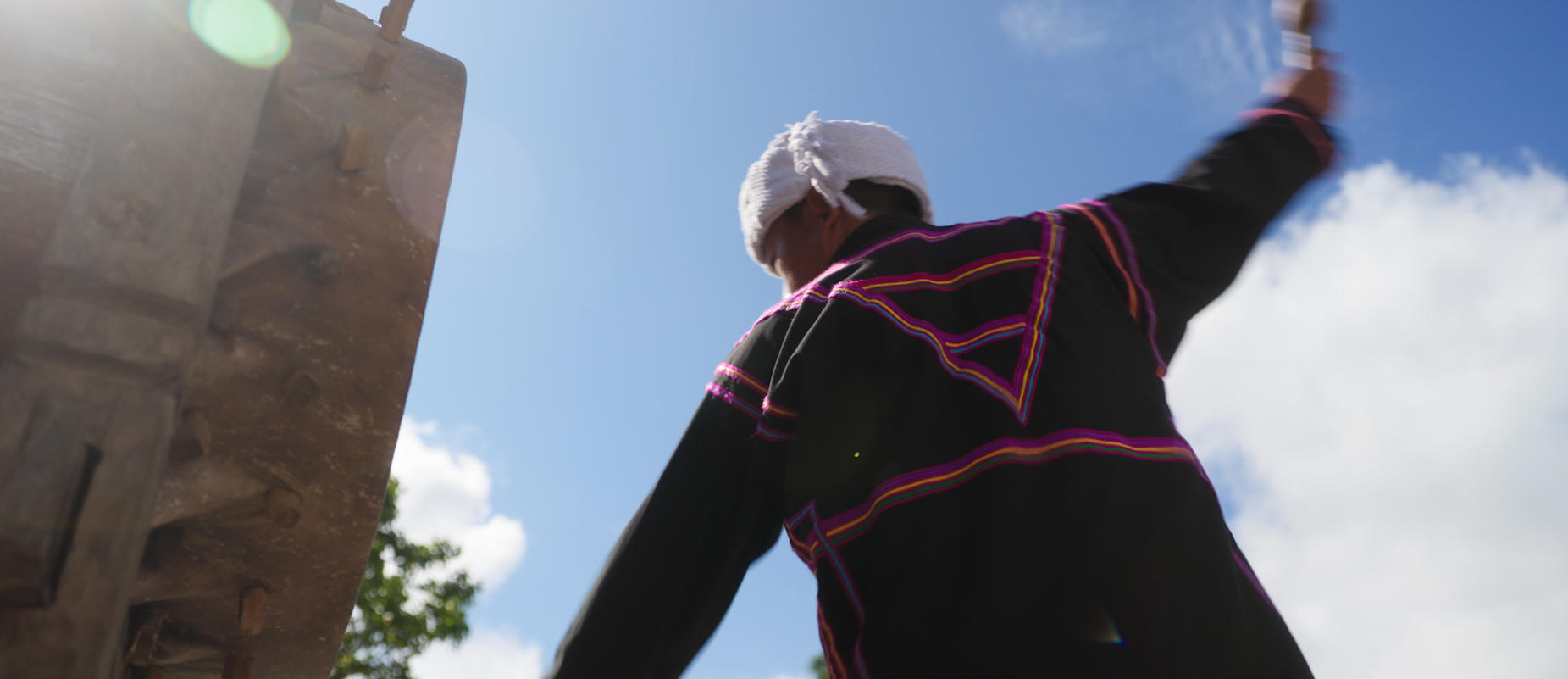
李家保:“现在神鼓舞我教出来15个(徒弟),象脚鼓舞好跳一点,差不多30来个会跳的,芦笙舞也是30个左右会跳。”
Li Jiabao: "I have trained 15 disciples for the sacred-drum dance. The elephant‑foot drum dance is comparatively easier; roughly 30 people can perform it, and around 30 can do the gourd‑sheng dance."
在火把节、新米节、春节等传统节日时,村民们会举行庄严隆重的祭祀祈福活动。
During traditional festivals such as the Torch Festival, New‑Rice Festival and Spring Festival, villagers hold solemn sacrificial rituals for blessings.
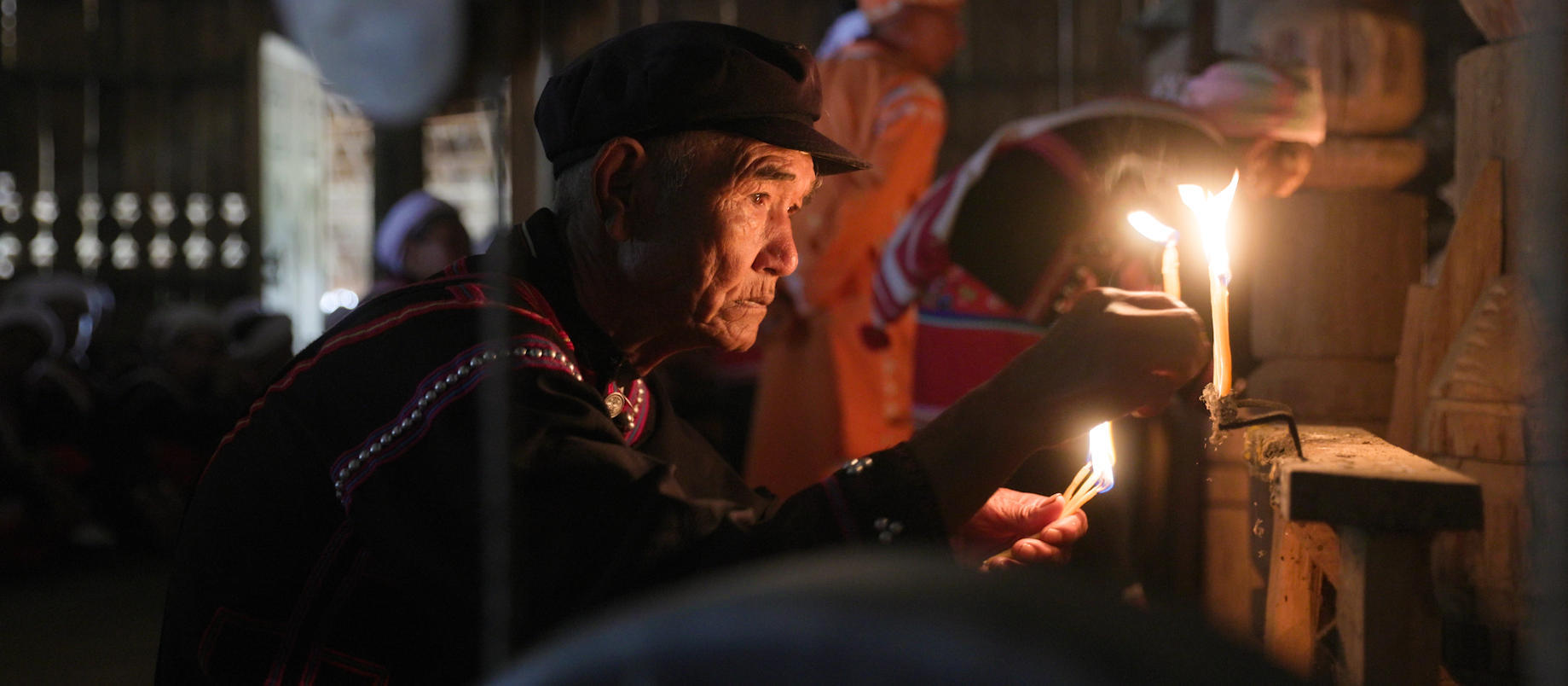
龙竹棚老寨如今是中国少数民族特色村寨,拉祜族文化保存完整,被誉为“原生态拉祜族佛堂活化石”。
Longzhupeng Old Village Group is now a national characteristic ethnic‑minority village. Its well‑preserved Lahu‑ethnic culture has earned it the reputation of "living fossil of original Lahu sacred sites".
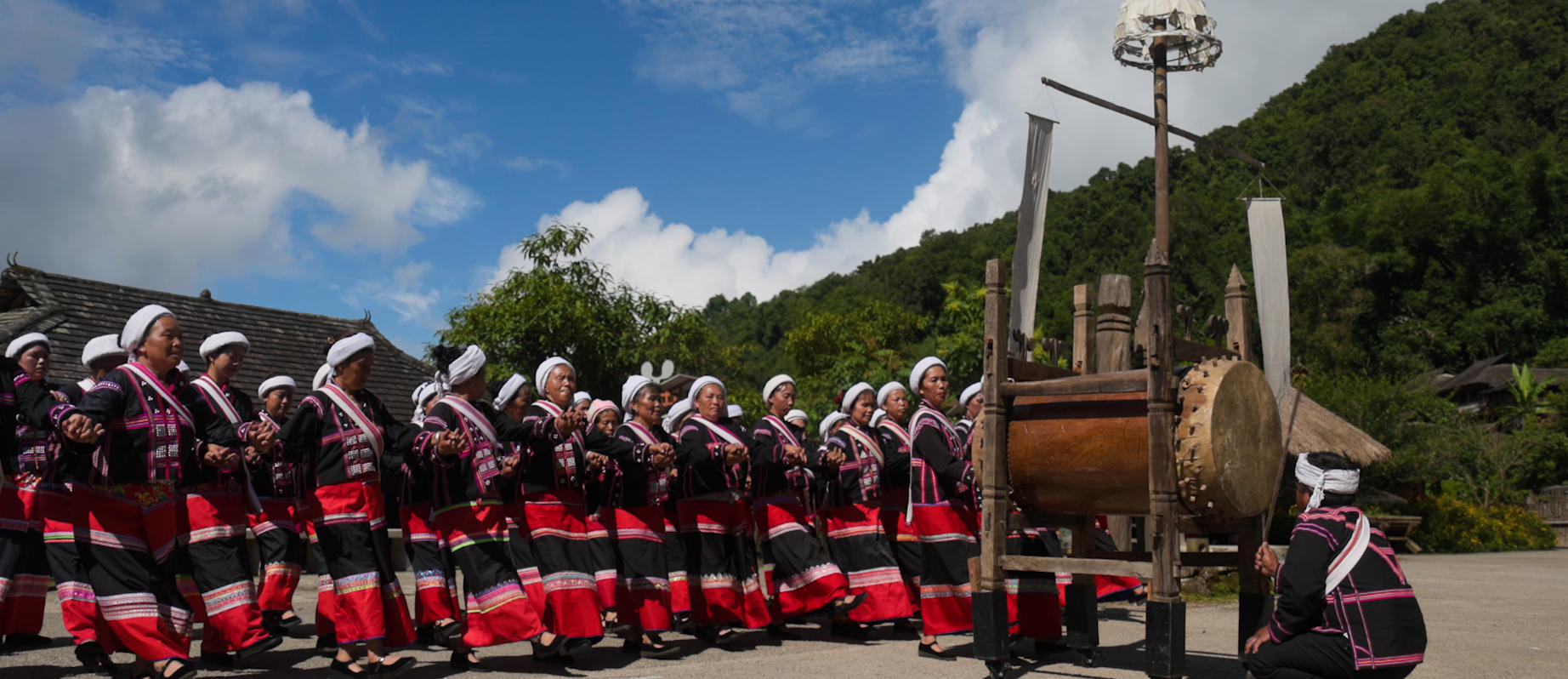
拉祜族——“从葫芦里走出来的民族”,葫芦作为民族图腾,象征着吉祥、繁衍和幸福。
The Lahu people are known as "the people who came out of the gourd." The gourd serves as their ethnic totem symbolizing good fortune, reproduction and happiness.
今天,拉祜族与各族群众共居一个村寨,共组一个家庭,手足相亲、守望相助,像石榴籽一样紧紧抱在一起,同心浇灌民族团结进步的“幸福花”。
Today, Lahu people share villages and even form mixed‑ethnic families with neighbours from other groups. They cherish mutual kinship and support one another, closely united like pomegranate seeds, jointly tending the "blossom of happiness" of ethnic unity and progress.
学术支持
Academic Support
中央民族大学互联网平台企业发展与治理研究中心
Research Center for Internet Platform Enterprise Development and Governance at Minzu University of China
鸣谢
Acknowledgement
普洱市委宣传部
Publicity department of Pu'er City
澜沧拉祜族自治县委宣传部
Publicity department of Lancang Lahu Autonomous County
澜沧拉祜族自治县文化馆
Cultural center of Lancang Lahu Autonomous County
澜沧拉祜族自治县民族研究所
Institute of ethnic studies of Lancang Lahu Autonomous County
9001354
客户端中查看
手机中查看
分享