
【中国范儿】石榴籽·同心圆 | 东乡族的一天
发布时间:2026-09-04

编者按:东乡族,主要聚居在甘肃省临夏回族自治州境内洮河以西、大夏河以东和黄河以南的山麓地带。在长期的历史发展过程中,形成了自己独特的生产、生活习俗,创造了丰富多彩的文化艺术。2026年,临夏回族自治州迎来建州七十周年。通过镜头,让我们走进东乡族的一天。
Editor's Note: The Dongxiang people mainly live in the piedmont areas west of the Tao River, east of the Daxia River and south of the Yellow River in Linxia Hui Autonomous Prefecture, northwest China's Gansu Province. Over centuries of history, they have developed distinctive production practices and living customs, and created a rich and diverse body of culture and art. The year 2026 marks the 70th anniversary of the founding of Linxia Hui Autonomous Prefecture. Through the lens, we step into a day in the life of the Dongxiang people.
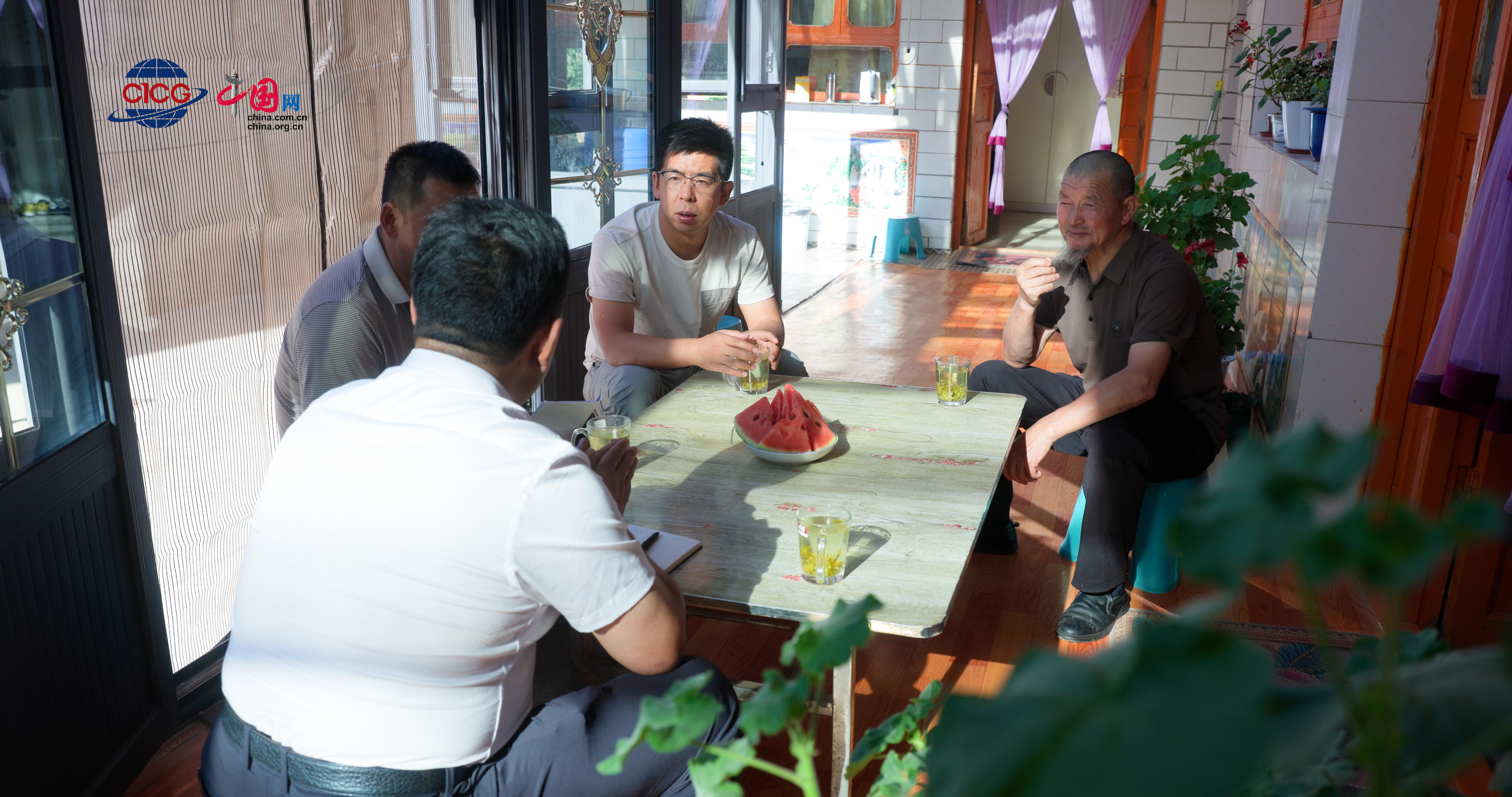
一大早,甘肃省临夏州东乡族自治县毛柴子村的马自林家里来了客人。今天,村干部上门了解村民对饲草加工奖补政策的意愿,张忠山也在其中。
Early one morning, visitors arrived at Ma Zilin's home in Maochaizi Village, Dongxiang Autonomous County, Linxia Hui Autonomous Prefecture, northwest China's Gansu Province. Village officials had come to learn villagers' views on the forage-processing subsidy policy, and Zhang Zhongshan was among them.
马么力克:伯伯,你的苞谷草要不要打包?
Ma Melike: Uncle, would you like your corn stalks baled?
马自林:打包的话,收不收钱?
Ma Zilin: Will we be charged for baling?
马么力克:不收钱,这是县畜牧中心的项目。
Ma Melike: No charge. This is a project run by the county animal husbandry center.
马自林:那就先打包一亩地的。
Ma Zilin: Then please bale one mu of my land first.
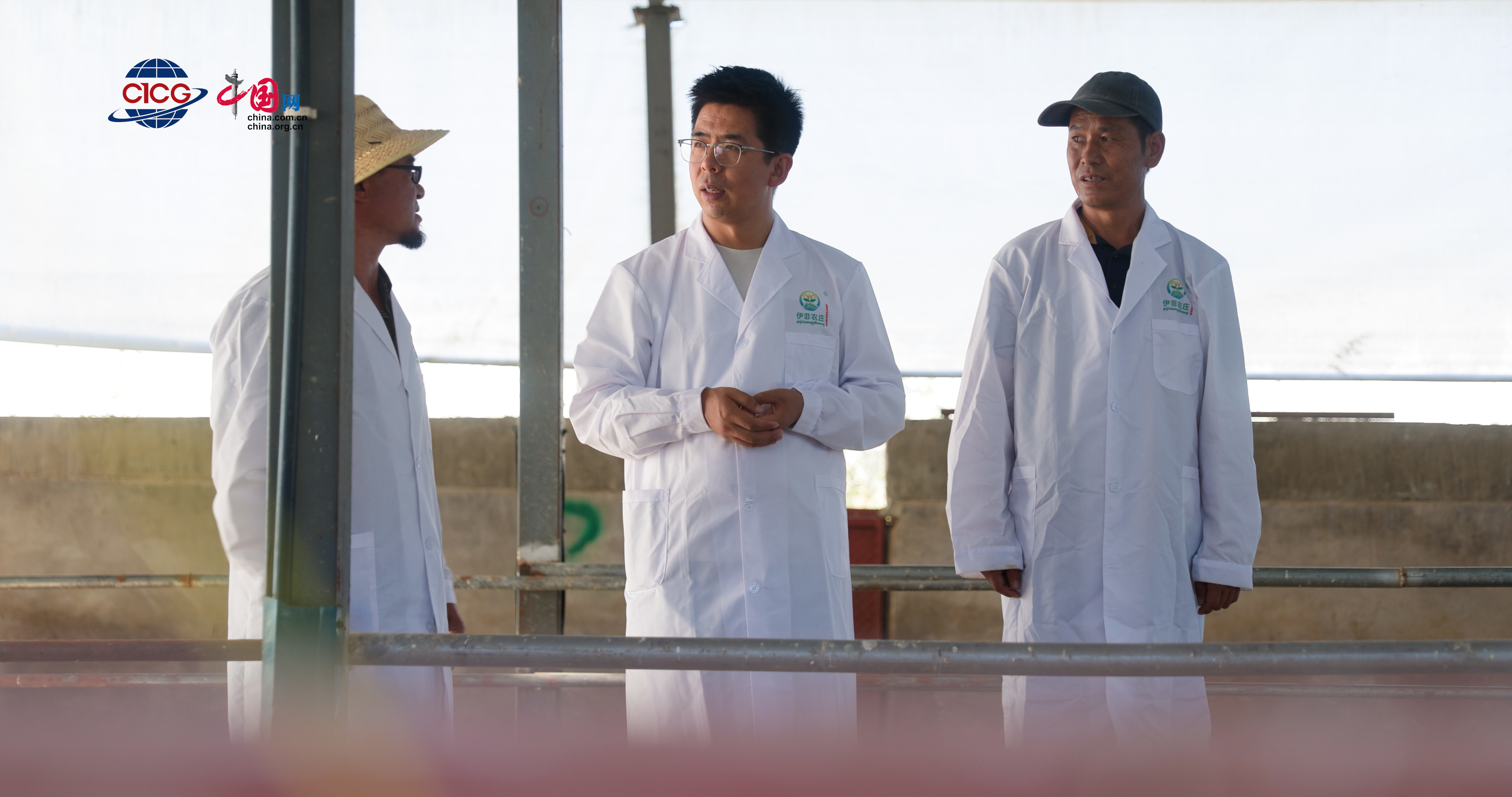
对很多养殖户而言,由县里统一组织进行青贮饲料加工省时省力,还能为家中牛羊储备优质饲料。身兼全国人大代表、合作社理事长的张忠山,将组织服务队负责饲草上门收储工作。
For many livestock farmers, silage processing organized by the county saves time and labour. It also helps families stock up on high-quality feed for cattle and sheep. Zhang Zhongshan, who serves both as a deputy to the National People's Congress and cooperative director, will arrange service teams to collect and store forage at farmers' doorsteps.
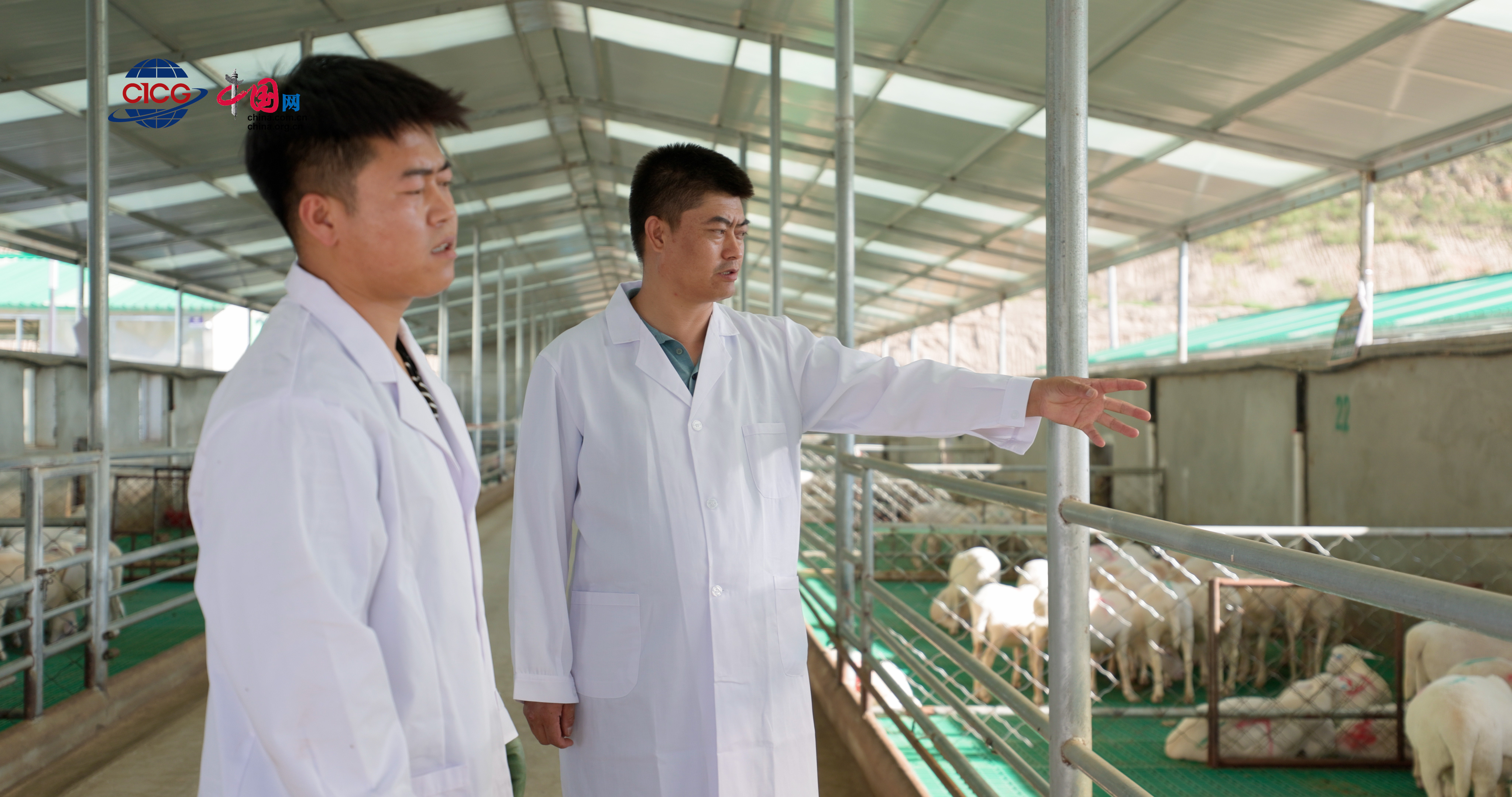
像张忠山一样的带头“羊倌”,东乡县还有很多。布楞沟村人马大五德(东乡县布楞沟养殖农民专业合作社负责人),把8000只存栏的养殖专业合作社建在了半山腰上。合作社入股的村民每年每户可以拿到分红,还可以在养殖场打工挣工资。
Dongxiang Autonomous County has many such pioneering sheep herders like Zhang Zhongshan. Ma Dawude from Bulenggou Village has built a specialized farming cooperative with 8,000 sheep on a hillside. Villagers who hold shares in the cooperative receive annual dividends per household. They can also earn wages working at the farm.
2025年,“东乡贡羊”“东乡手抓”“东乡美食”三大品牌在北京发布,让东乡羊肉摆上全国餐桌。
In 2025, three major local brands-- Dongxiang tribute mutton, Dongxiang hand-grabbed mutton and Dongxiang delicacies-- were launched in Beijing, bringing Dongxiang mutton to dinner tables across the country.
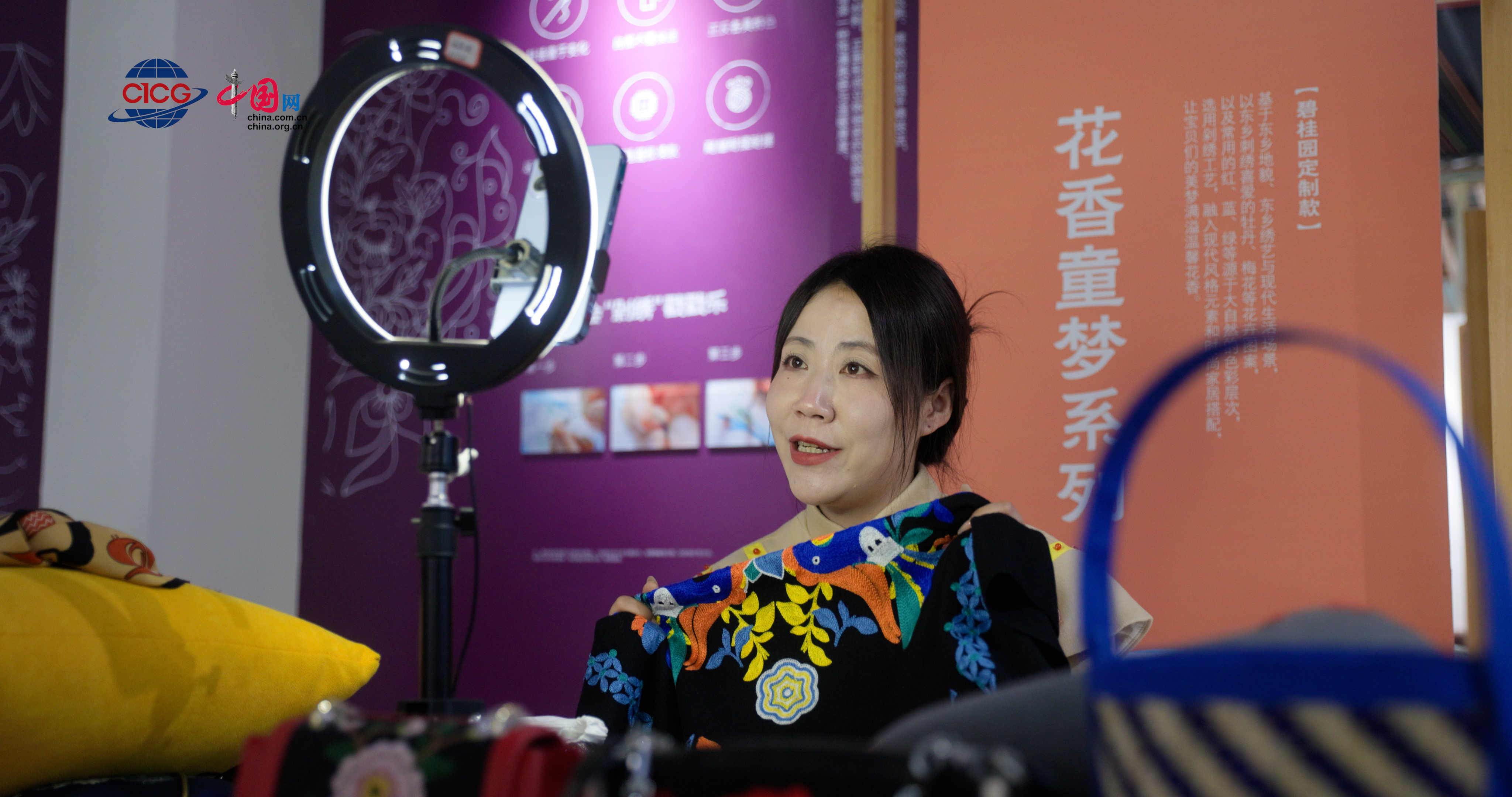
马萧萧:“我们东乡族的刺绣,配色大胆、针法独特,这些色彩也反映出了我们东乡族女性的内心世界。”
Ma Xiaoxiao: "Dongxiang embroidery features bold colour schemes and unique stitching techniques. These colours mirror the inner world of Dongxiang women."
阳光透过窗户洒进工坊里,妇女们专注地拈动着绣花针,有的练习针法,有的继续绣着未完成的作品《三羊开泰》。
Sunlight streams through workshop windows. Women bend over their needles, some practising stitches, others continuing an unfinished piece with the traditional auspicious theme of "three rams bringing good fortune."
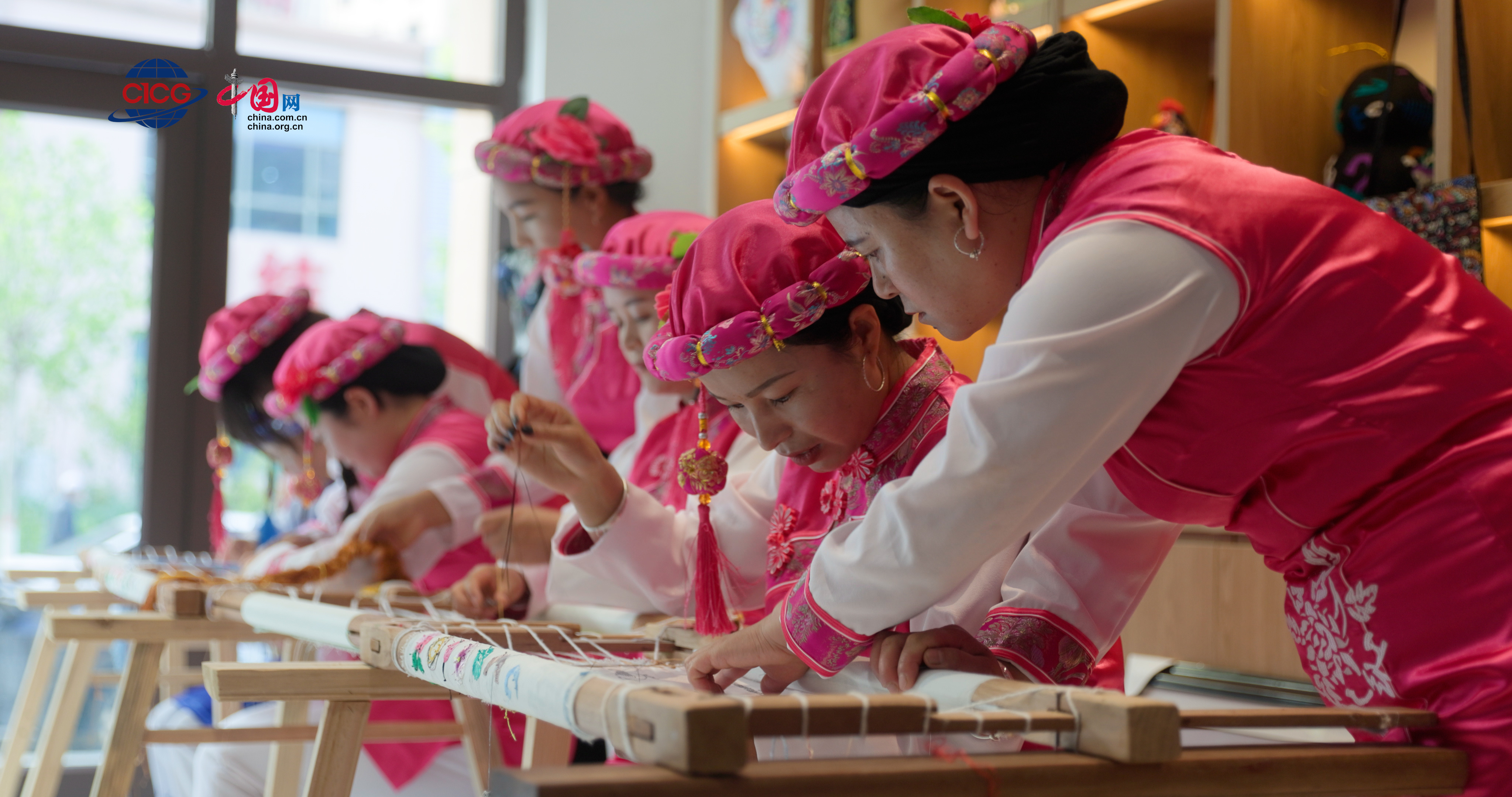
郑麦麦曾经是东乡族一名普通的女性,正是“90后”返乡青年马萧萧的带领,让她从家庭主妇成为了工坊里的刺绣老师。
Zheng Maimai was once an ordinary Dongxiang housewife. Under the leadership of Ma Xiaoxiao, a post‑90s youth who returned to her hometown for development, she became an embroidery instructor at the workshop.
如今,东乡刺绣正带领着上千名农村妇女将指尖技艺转化为一份稳定的收入,助力乡村振兴。
Today, Dongxiang embroidery enables thousands of rural women to turn hand-crafted skills into steady income, boosting rural revitalization.
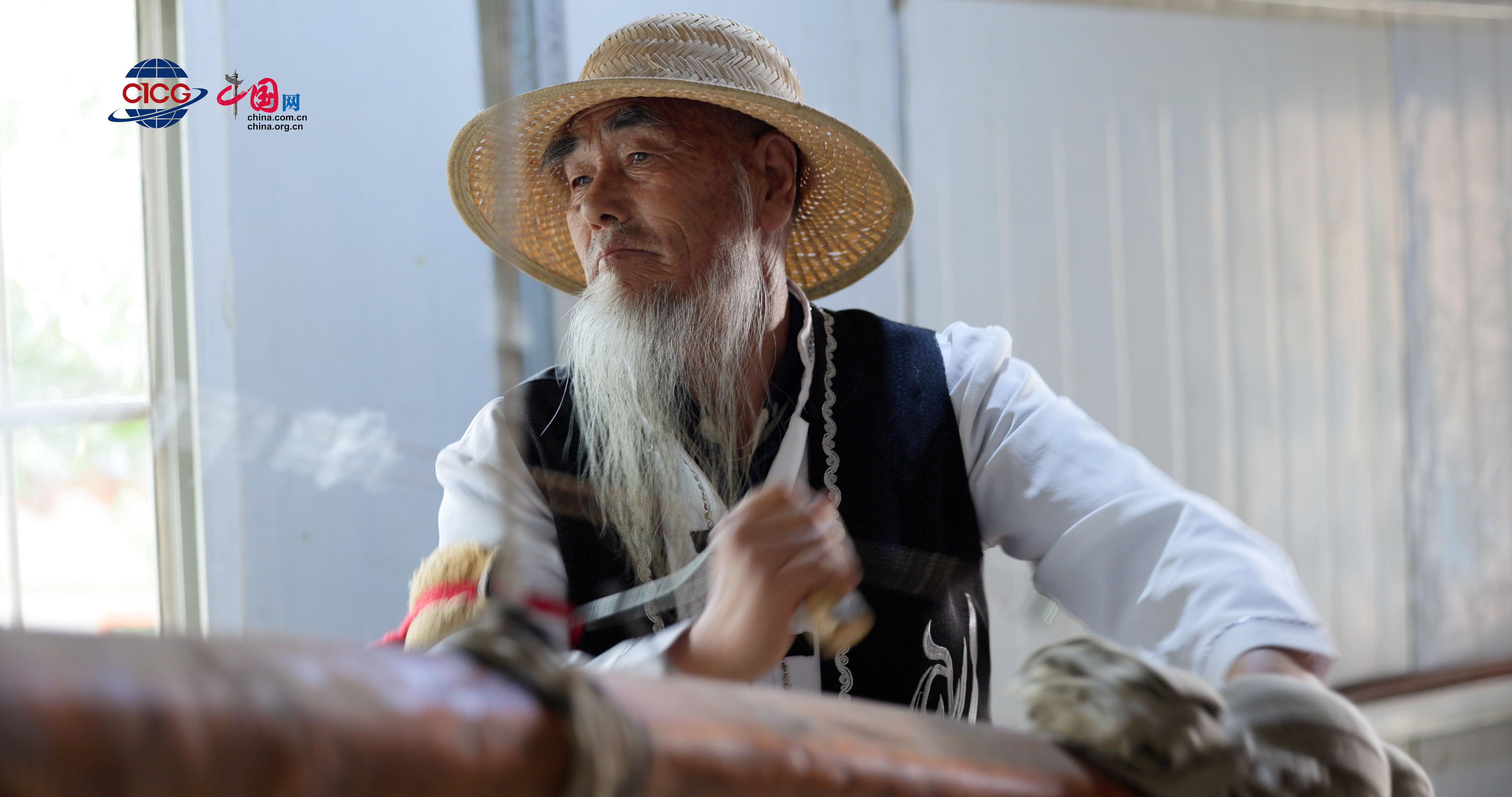
马永祥:“我们靠擀毡这个手艺过生活,那时候日子过得紧张,我们靠擀毡挣上些钱,给家里人随便买些麦子、买些面粉过生活,靠这些养家糊口。”
Ma Yongxiang: "We made a living from felt‑making. Back then life was tough. We earned money through this craft to buy wheat and flour for our families, to put food on the table."
年过七旬的马永祥老人,向徒弟展示起擀毡技艺“弹毛”这一工序。巨大的弹弓好似“舞伴”,让这项非遗技艺有了看头。
Ma Yongxiang, already in his 70s, demonstrates the wool-beating step of traditional felt-making for his apprentices. His large wool-beating bow dances like a partner, bringing this intangible cultural heritage craft vividly to life.
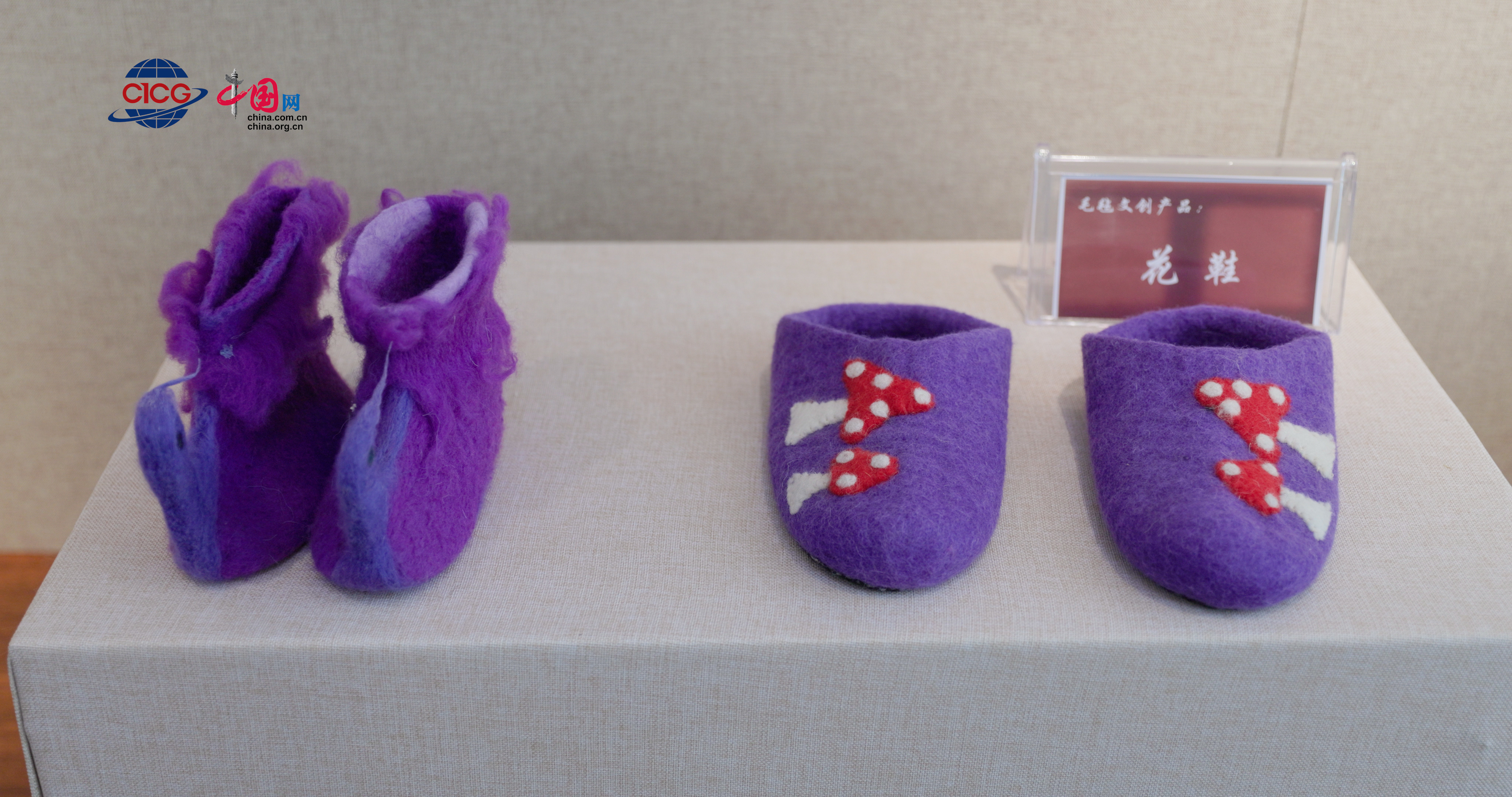
东乡毛毡以柔软舒适、美观大方、经久耐用闻名,曾经是家家户户必备的炕上用品,也是姑娘出嫁时重要的陪嫁品之一。
Dongxiang felt is prized for softness, comfort, elegance and durability. It was once a must-have bedding item in every household and a key dowry for brides.
曾经,制毡工艺受到现代纺织技术的冲击,几近失传。如今,后辈们扛起弹弓,脚踩洗毡……让这项技艺在传承创新中得以发展。
The craft nearly died out under pressure from modern textile technology. Today, younger generations take up the wool-beating bows and tread on felt-washing troughs, keeping the heritage alive through inheritance and innovation.
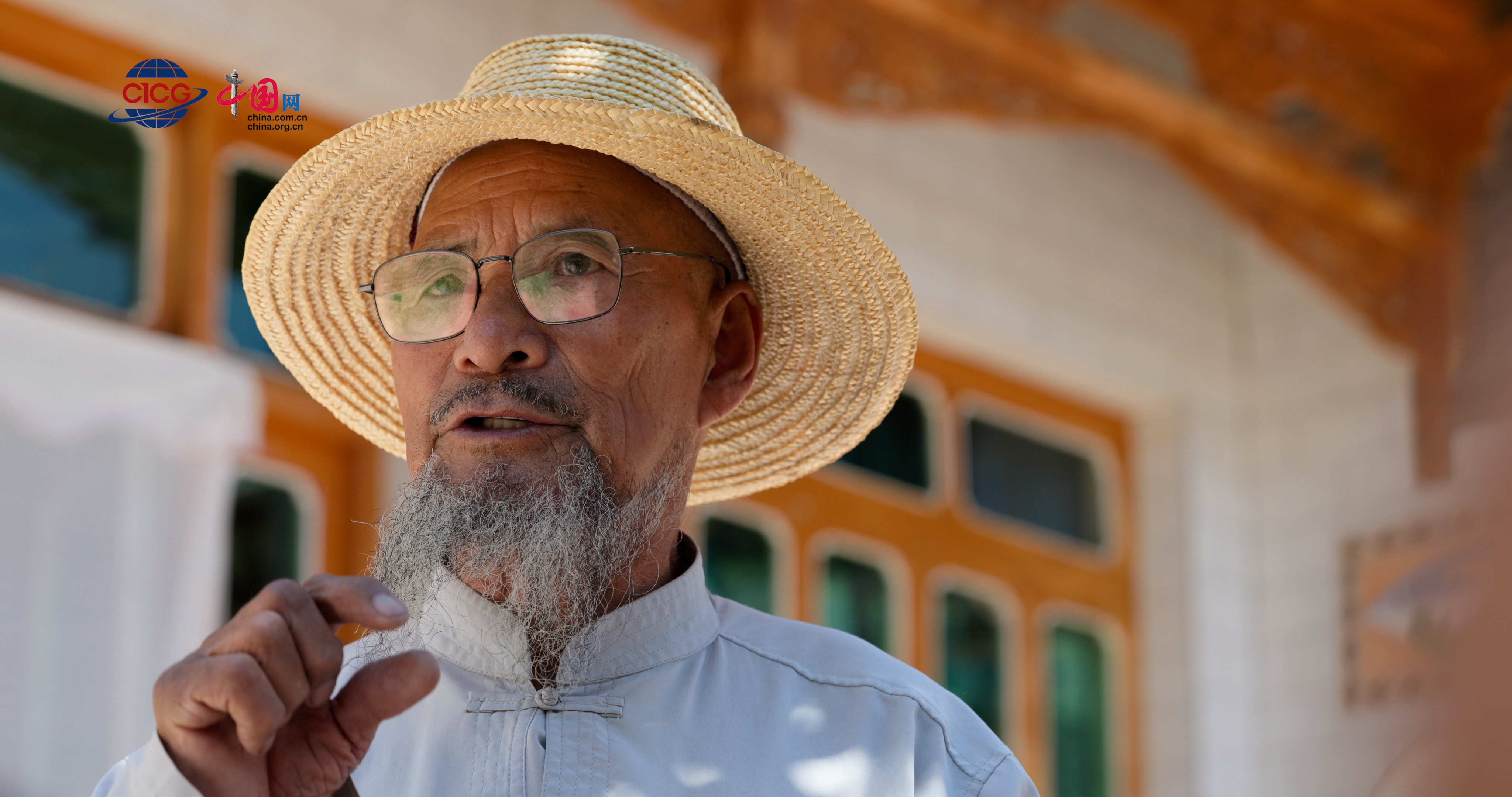
谈及过往,妥海英老人眼眶湿润起来。妥海英16岁跟随父辈学习钉匠技艺,彼时,妥海英挑着扁担走街串巷,用金刚钻在瓷器上“穿针引线”,修补后的器物滴水不漏。俗语“没有金刚钻,别揽瓷器活”正是指这门手艺。
Talking about the old days, elderly Tuo Haiying's eyes well up. At 16, he learned Ju Ci (porcelain mending) from his elders. In those days, he carried his tools on a shoulder pole from street to street. Using diamond‑tipped drills, he "sewed" broken porcelain back together so well that mended vessels held water without leaking. The old saying "Don't take on porcelain‑mending work without a diamond drill" refers exactly to this trade.
妥海英:“这个(钉匠手艺)我从年轻的时候做到老了。那时候商店里的碗价格贵,穷人买不起碗,(碗破了需要钉匠修)。”
Tuo Haiying: "I have practised this craft from youth into old age. Back then bowls in shops cost too much for poor families to afford, so broken bowls needed craftsmen like me to repair them."
戴上一副手工打造的眼镜,耄耋之年的妥海英看起来十分精神,还很时尚。现在,每逢集市,他还会自驾三轮车去摆摊,坚守这份自己和民族手艺的共同记忆。
Wearing hand‑crafted spectacles, the octogenarian Tuo looks sharp and stylish. On market days, he still drives his tricycle to set up a stall, safeguarding the shared memories of himself and his people.
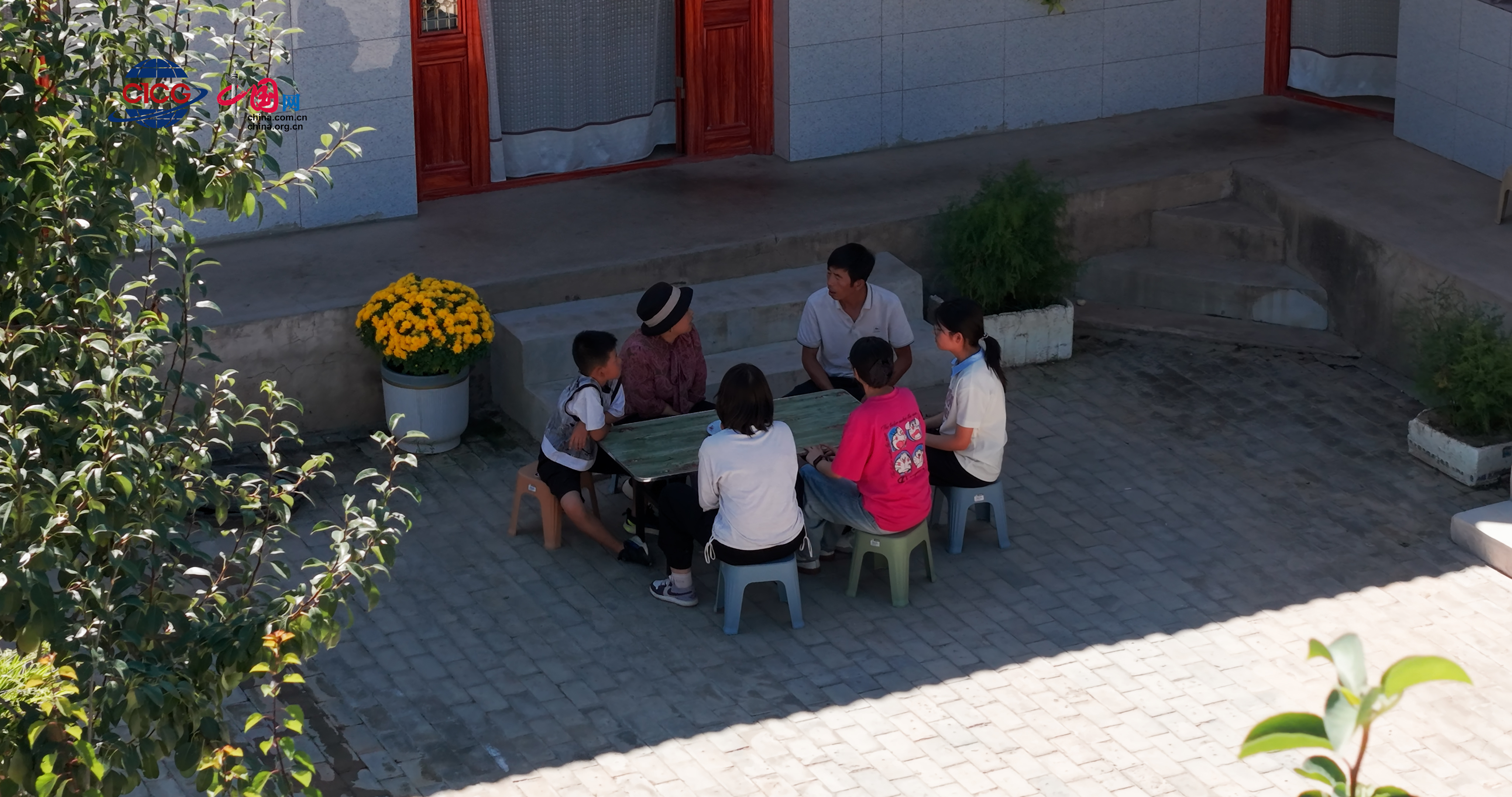
午后,布楞沟村的马哈比布一家六口人围坐在庭院阴凉处有说有笑。
In the afternoon, the six‑member Ma Habibu family sits, chatting and laughing, in the cool shade of their courtyard in Bulenggou Village.
马哈比布8岁时成了孤儿。无处安身的他,年龄稍大便外出谋生。多年后,靠着自己的打拼奋斗以及家乡的发展机遇,他和媳妇重回老宅,盖上了新房。
Ma became an orphan at the age of eight. With no home to go to, he left the village to make a living as soon as he was old enough. Years later, through hard work and new opportunities brought by local development, he and his wife returned to rebuild their old home into a new house.
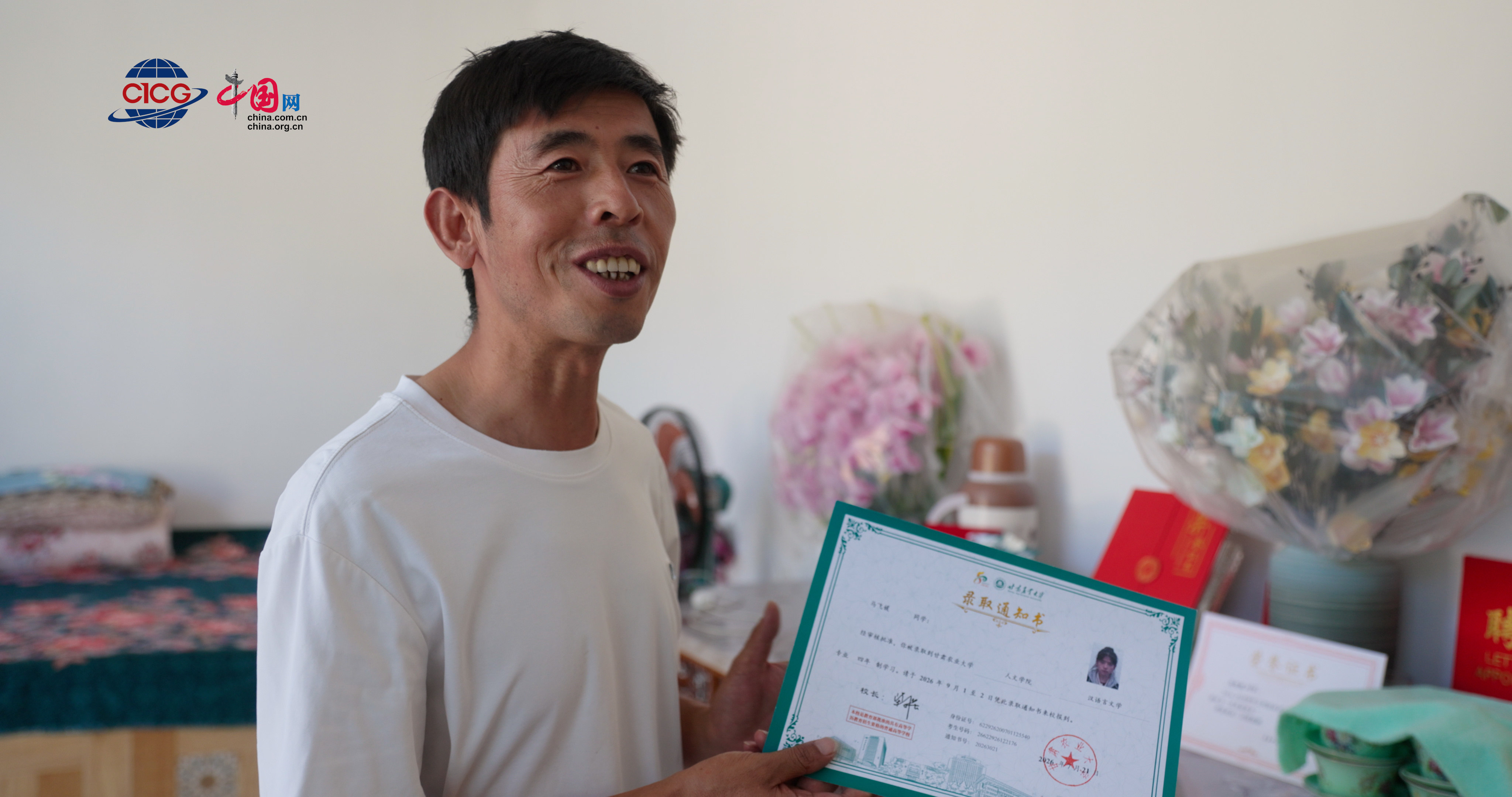
马哈比布):“我是四个娃娃嘛!老大今年是大三,秋天就是大四了。老二今年考上了一本,这是她的录取通知书。我后面还有两个小的(孩子),继续把他们培养成大学生,要有文化,走出大山。一定要把娃娃培养成人才,这是我最大的心愿,最大的努力,给自己加油!”
Ma Habibu: "I have four children. My eldest is a junior in college and will enter the senior year this autumn. My second daughter has just been admitted to a key undergraduate university -- here is her admission notice. I have two younger kids. I will keep raising them to become college‑educated talents so they pursue a better life out of these mountains. Nurturing them into capable young people is my greatest wish. I will keep striving for that. Come on!"
如今的布楞沟村,靠教育改变命运的观念深入人心。
In Bulenggou Village today, the belief that education can change one's fate has taken deep root.
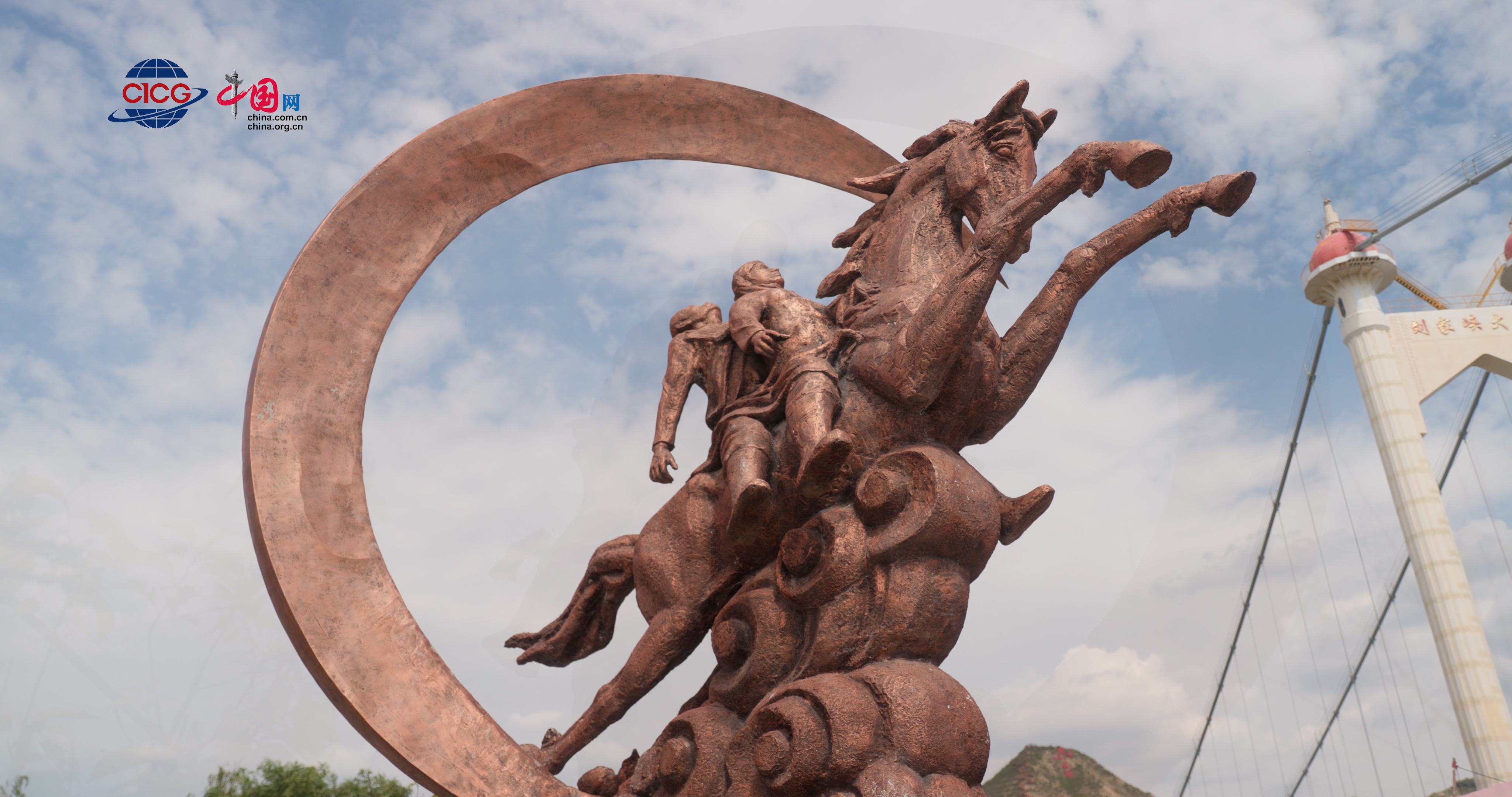
从刘家峡水库向东南山麓远眺,是东乡族世代聚居的土地。米拉尕黑和玛芝露的长诗,正诉说着东乡族人民的奋斗精神和对幸福生活的美好追求。
Looking southeast from Liujiaxia Reservoir toward the mountain foothills lies the land where the Dongxiang people have lived for generations. The epic narrative poem of Milagahai and Mazhilu sings of the Dongxiang people's drive for a better life and their pursuit of happiness.
学术支持
Academic Support
中央民族大学互联网平台企业发展与治理研究中心
Research Center for Internet Platform Enterprise Development and Governance at Minzu University of China
鸣谢
Acknowledgement
临夏州委宣传部
The publicity department of Linxia Hui Autonomous Prefecture
东乡县委宣传部
The publicity department of Dongxiang County
9001354
客户端中查看
手机中查看
分享